
Make complex offerings easier to understand, trust, and choose
When a product is technical, established, unfamiliar, or difficult to compare, brand strategy is a commercial tool. It helps leaders align on the audience, value, category, message, proof, and experience that give buyers a reason to pay attention.
We work with organizations facing complex sales cycles, multiple decision-makers, category education, changing markets, and pressure to make marketing support measurable business growth.
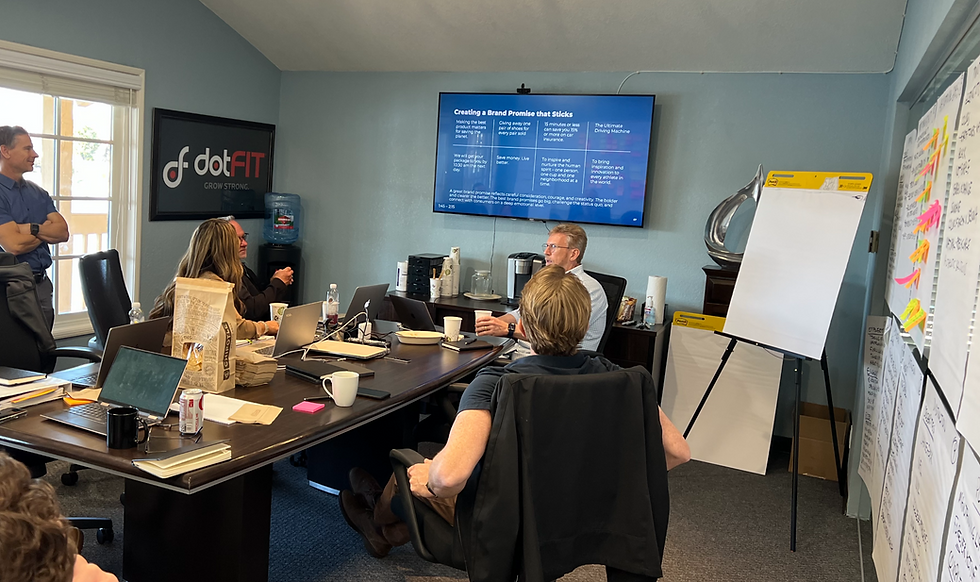
A research-led path from insight to market action
Every engagement is tailored
But the work follows a connected logic: understand the business and audience, identify the decisions that matter most, shape the positioning and message, translate it into practical assets, and support implementation with a clear operating plan.
We use research and stakeholder input to challenge assumptions before creative or channel decisions become expensive. Then we connect the strategy to the work buyers actually experience: the website, sales materials, content, campaigns, and conversations that move a decision forward.
Proof from complex B2B businesses
American Locker: Modernizing a long-established manufacturing story and supporting a stronger lead-generation platform.
CloudKey Platform: Connecting market research, brand development, product-launch strategy, website work, content, and digital marketing.
PelviX: Bringing together market research, brand development, sales support, and lead-generation activity.
NEC/Cisco: Applying B2B strategy and communications experience to specialized technology audiences.
Blatchford: Translating research and stakeholder insight into a global platform and audience-specific messaging.
B2B Brand Strategy for Complex Products and Buying Journeys
Complex B2B products do not sell themselves simply because they are technically strong. Buyers need to understand the problem, see why your approach is different, and feel confident that the choice will work across a long, multi-stakeholder buying journey.
PositiveBrand helps B2B organizations turn complex offerings into clear positioning, persuasive messaging, and a practical path to market. We connect research, brand strategy, creative direction, and integrated execution so your team can make better decisions and move with more confidence.
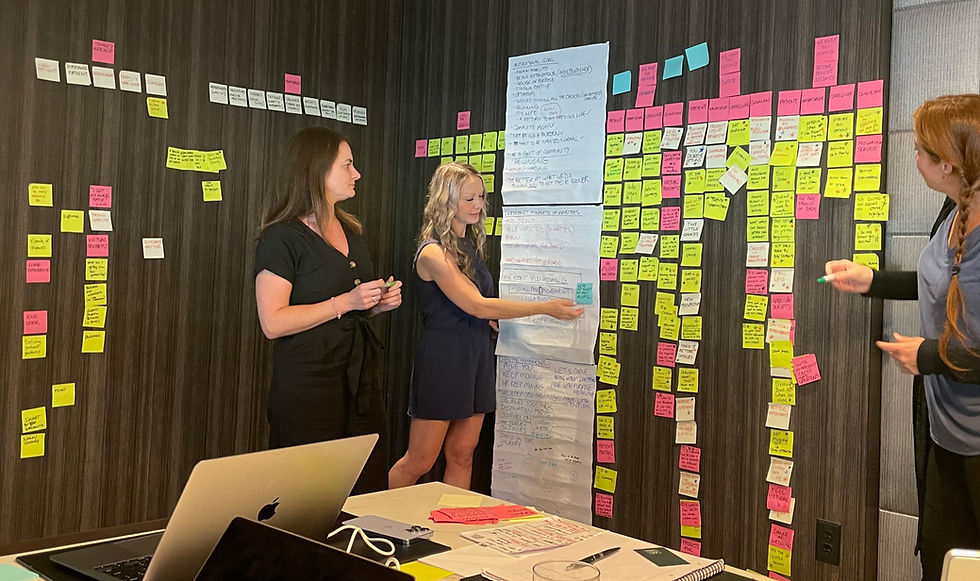
Where brand strategy creates commercial clarity
Our work can help clarify:
-
The audiences and buying situations that deserve focus
-
The market problem your offer solves and the language buyers use for it
-
Positioning, message architecture, offer hierarchy, and brand roles
-
How identity, creative direction, content, sales tools, and campaigns should express the strategy
-
The priorities that turn a strategy into a useful go-to-market plan
The result is not a decorative exercise. It is a shared set of choices that helps your leadership, sales, and marketing teams tell the same clear story.
What your team receives
Depending on the situation, the work may produce a focused set of strategic decisions and practical tools: audience priorities, positioning, message architecture, brand and creative direction, channel implications, sales-enablement guidance, and an implementation roadmap.
The aim is to give your team a stronger foundation for execution—not a presentation that sits on a shelf.